The surprising supply-chain choke point for cricket bats
A shortage of English willow changes the batting order
China may have a chokehold on rare earths and Iran can close the Strait of Hormuz, but there is one corner of global supply chains that is forever England. High-end cricket bats, which can retail for over £1,000 ($1,350), are almost all produced from English willow. No other wood provides the same ping. The price of English trees has tripled since 2017, driven by demand from cricket-mad India.
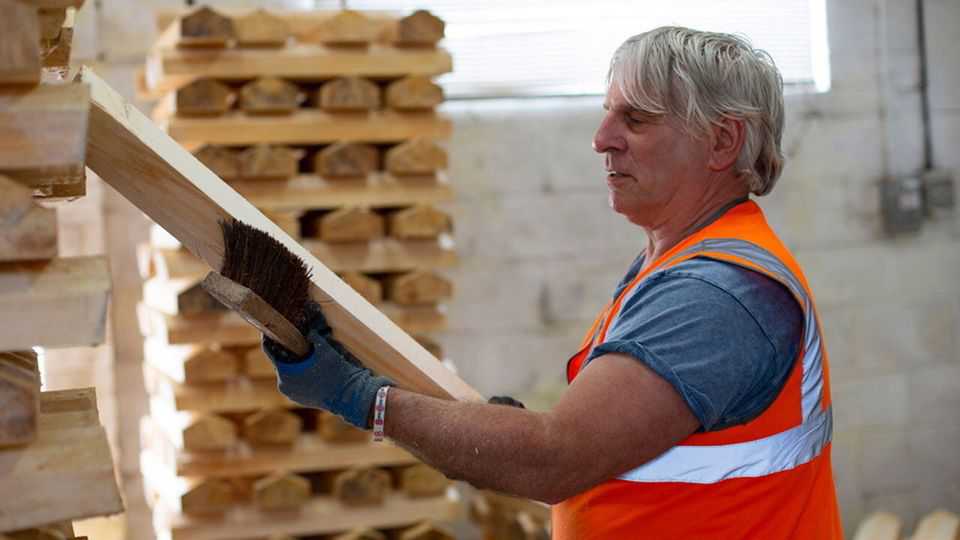
At the Essex headquarters of J.S. Wright & Sons, supplier of wood for about three-quarters of willow bats globally, the yard vibrates to the sound of chainsaw on willow. Trucks deposit trees from across Britain. Each trunk is cut into about 40 wedge-shaped clefts, which are then dried in heated warehouses. Most are shipped to India for the final transformation from cleft to bat. Business is booming. The 132-year-old company reported £16.7m in sales in 2024, up by 35% on the year before.
Sourcing enough wood is a growing challenge. An English willow takes about 15 years to reach maturity. J.S. Wright plants up to 45,000 saplings a year, but only one in three or four will be usable. “We have to factor in deer damage, squirrel damage, beaver damage, lack of maintenance,” explains Oliver Wright, the fourth generation to manage the family firm.
The Marylebone Cricket Club (MCC), which controls the rules, wants to increase affordability while preserving the balance of power between batters and bowlers. From October amateurs will be allowed to use bats with blades laminated from up to three pieces of wood. Professionals are still expected to use a single piece of willow. Richard Gray of Gray-Nicolls, an East Sussex batmaker that grows its own willow, welcomes the change: “Lamination will allow us to convert perfectly good but smaller pieces of willow, which until now are wasted.”
The MCC is open to the idea of alternative materials, but doesn’t want an equipment arms race as in tennis or golf. “There’s a fairly small performance window,” says Fraser Stewart of the MCC. “If they’re too bad, people won’t use them. And if they’re too good, we won’t allow them.” ■