The energy shock triggers an Asian dash for biofuels
But tackling one crisis could exacerbate another
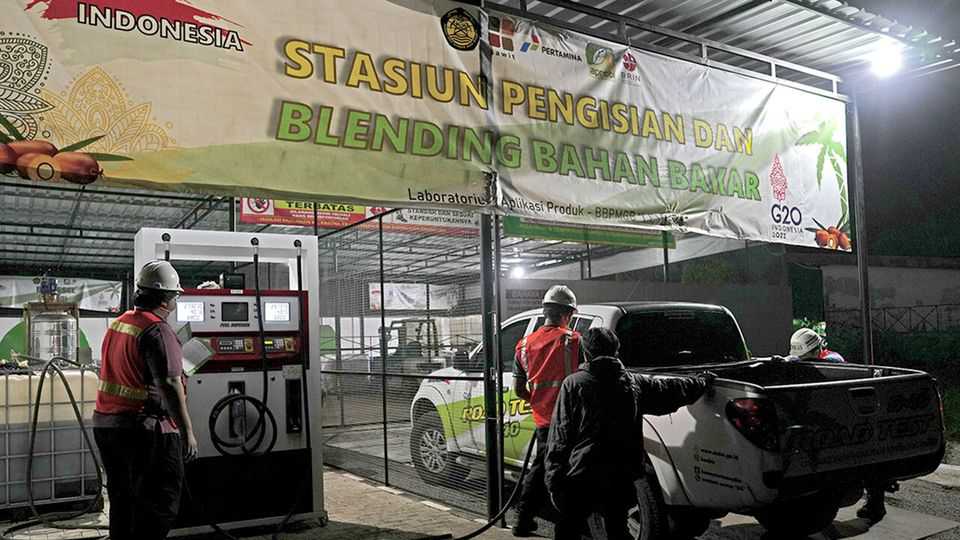
The blockade of the Strait of Hormuz is forcing Asia’s energy importers to scour new markets. Thailand wants to buy more oil from Nigeria and Kazakhstan; Vietnam is now sourcing from Angola and Argentina. But even as countries cast their nets wider for crude, they are also reaching for a resource closer to home: farms.
Across Asia, governments are announcing or accelerating plans to expand the use of biofuels. Indonesia, for example, wants to roll out B50—a 50% palm-oil blend of diesel—by July 1st. Vietnam has begun selling E10, a blend of ethanol (10%) and petrol, ahead of a mandated switch on June 1st. Last week India, which has already rolled out E20, began the process to step up to even stronger blends.
The push is driven by energy security. In Indonesia the move to B50 is expected to save the country around 48trn rupiah ($2.8bn) in subsidies and slash consumption of diesel by some 4bn litres a year, which the energy minister hopes will mean the end of diesel imports. In India the introduction of E20 in 2014 and the resulting reduction in oil imports has already saved around 1.4trn rupees ($16bn) in foreign exchange.
But there are problems. For one thing, blended fuels are often unpopular. In India motorists grumble that their older engines aren’t equipped to handle E20. The competition for cropland may be the biggest cost. Growing crops for fuel can hurt food production and drive up prices. In 2024-25 the Food Corporation of India diverted rice from its vast public stocks to the country’s ethanol programme. In the Philippines the president has proposed pausing the coconut-based biodiesel mandate, fearing it would push up prices.
The effects can transcend borders. If Indonesia funnels more palm oil into fuel tanks, that will leave less for exports, increasing global cooking-oil prices and hurting consumers in countries that rely on imports. All this would come as the stalemate in the Middle East raises fertiliser costs. In trying to avert an energy crisis, Asian countries may be adding to a food one.■