Mali shows the growing strength of jihadism in the Sahel
There is little to stop militants from expanding their influence
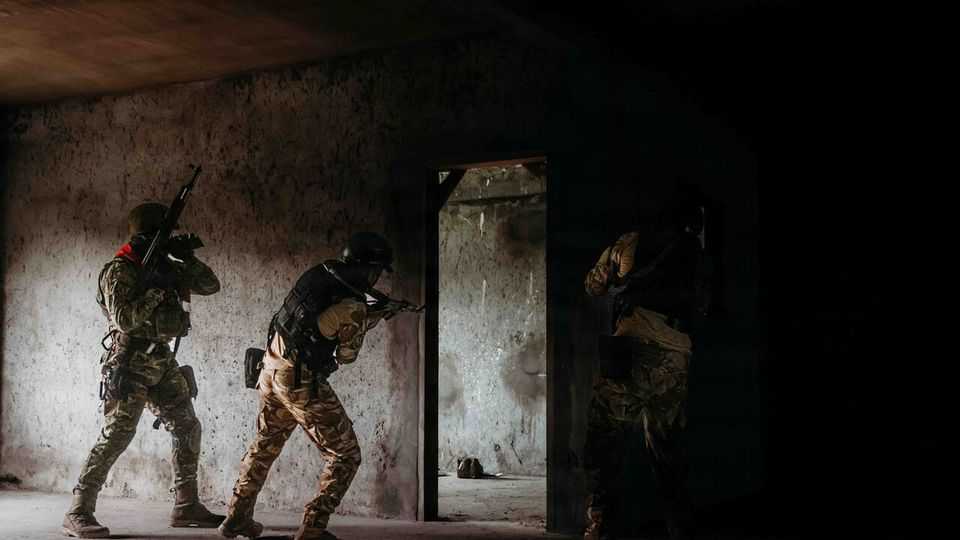
In a patch of jungle in Ivory Coast, African special forces practise beach landings and dawn raids under the watchful eye of Western commandos. In the air-conditioned classrooms of a military camp, FBI officers teach regional police how to conduct intelligence operations. This is Exercise Flintlock, a counter-terrorism training bootcamp that America has been running in Africa almost every year since 2005. At a time when America is slashing its commitments to the continent and its relations with Western allies are rocky, the event makes American-led multilateralism look alive and well.
Unfortunately, that is of limited use when it comes to the big crisis on west Africa’s doorstep: jihadism in the Sahel. Decades of counter-terrorism efforts by America and its allies failed to halt its spread; more recent interventions by Russia in tandem with the region’s military juntas have worsened the threat. The Trump administration’s new transactional approach also holds little promise.
A recent wave of attacks in Mali by JNIM, the region’s dominant jihadist group, in alliance with ethnic Tuareg separatists, shows just how bad things are. On April 25th the defence minister was killed by a suicide-bomber; two days later the Malian army and allied Russian troops began retreating from towns and bases across the north (see map). The grip of the ruling junta looks increasingly shaky. Next door in Burkina Faso and Niger, also run by juntas, things are not much better. All three declined to take part in Flintlock. On security in the Sahel, “all the indicators are downwards,” says a Western general.
Counter-terrorism co-operation between America, its allies and countries in the region, which combined military support with aid and some democracy promotion, did too little to halt the spread of jihadism. Yet Western disengagement has arguably made things worse. Starting in 2020, the Sahelian trio cut ties with Western and west African allies and drew close to Russia. They booted out French and American troops and UN peacekeepers before launching brutal campaigns against the militants. America’s bases in Niger, which had been used to gather intelligence, have been closed. According to American defence officials, the Sahel has become an “intelligence black hole”.
The Trump administration wants to shake things up. Richard Michaels, the State Department’s deputy Africa chief, said on April 30th that America had drawn a line under open-ended commitments. AFRICOM, its command structure in Africa, talks of stricter “prioritisation”. This suggests America will move away from what Aneliese Bernard of Strategic Stabilisation Advisors, a consultancy in Washington, calls “soft approaches” to counter-terrorism—such as improving relations between soldiers and local communities—towards the hard sort, such as drone attacks.
Sure enough, America has stepped up air strikes, most obviously in Somalia, where it has cut funding for its special forces and reduced the number of anti-militancy initiatives. At the same time AFRICOM has increased bombing raids on jihadist groups. Insiders say the threshold for military action has fallen, as has the level at which authority to approve strikes is delegated. In December America also conducted its first-ever air strikes in Nigeria, after Donald Trump claimed Christians there faced religious persecution.
For now, America has no plans for offensive air sorties in the Sahel. But the Trump administration has been feeling out the juntas about resuming co-operation. Last year America shared intelligence that helped the Malian army conduct strikes on jihadist leaders. In February it sent a top State Department official to the Sahel to discuss normalising ties. Soon after, it lifted sanctions on three Malian officers, including the (now deceased) defence minister. A deal would let America resume flying intelligence-gathering aircraft and drones in Malian airspace.
America also wants to open up economic opportunities for investors. The region’s mineral resources include gold, lithium and, in Niger, significant deposits of uranium. Flagship Gold Corp, a mining firm based in New York, struck a deal with Mali’s state-owned miner in October. This week American officials for the first time brought a delegation from Burkina Faso to SelectUSA, an investment summit in Washington. All this suggests a more nakedly transactional approach to curbing terrorism in Africa. “They are asking: who is the strongman here and who might work with us?” says James Barnett of the Hudson Institute, an American think-tank.
But the region’s strongmen do not look eager to partner with America. JNIM’s recent attacks in Mali underscore the dangers of relying on Russia. The Malian rank-and-file are said to be growing frustrated with their Russian allies. Yet Assimi Goïta, Mali’s military leader, may be “doubling down on the current strategy”, says a Western diplomat in Bamako, the capital. His first public appearance since the attacks was at a meeting with Russian officials.
JNIM’s successes in Mali also highlight the flaws in America’s current approach. The Sahelian juntas, despite their brutality, are struggling to defeat jihadism and provide the security needed for American investment. Mr Goïta, in particular, might not remain in post much longer. At Flintlock, American officers talk of supporting co-operation between west Africa’s armies and training them to respect human rights and the rule of law. Such ideas, always under-emphasised in counter-terrorism efforts, are even more unfashionable in the Trump administration. But they could prove more fruitful than grubby deals with failing strongmen. ■