Germany claims it has the world’s best bread
May 5th is national Bread Day, and Germans are ready to roll
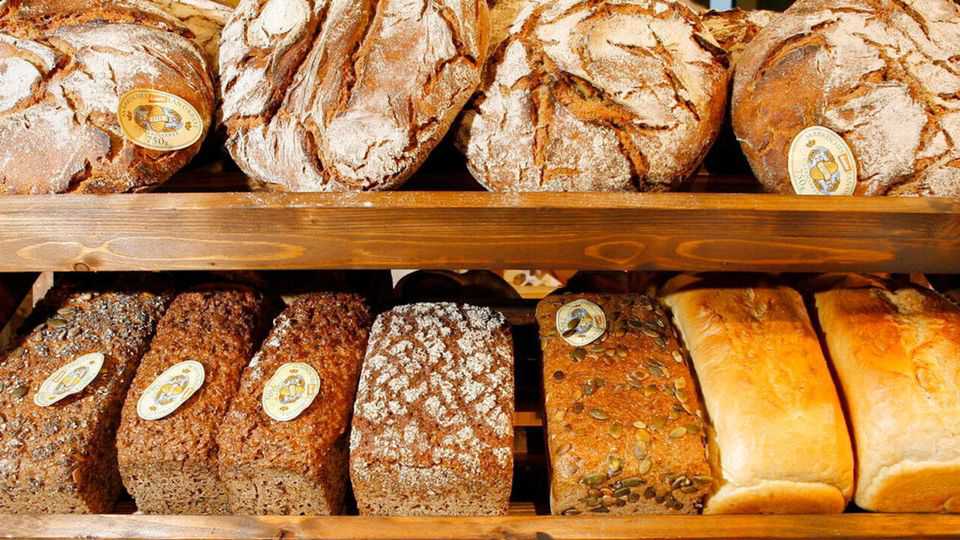
PERHAPS THE only thing Germans enjoy more than going on holiday, claims Michael Kress, a baker in Baden-Württemberg, is “coming home to buy their beloved bread at the bakery”. Germans’ love for their own loaves can come off as arrogant: last year Friedrich Merz, the chancellor, offended Angolans by complaining he could not find “a decent piece of bread” in their country. But every nation has its cultural touchstones, and on May 5th, while the Dutch hold their annual commemoration of liberation from German occupation in 1945, Germans will be celebrating the day of German bread.
Germany has what may be the most diverse bread culture in the world. The official bread registry overseen by Germany’s national bread institute (yes, really) lists more than 3,000 types. Specialities include pumpernickel, Dreikornbrot (three-grain bread) and Kürbiskernbrot (pumpkin-seed bread). There are specific regional iterations of rolls: Brötchen in the north, Semmeln in the south. In German the word “bread” is partially interchangeable with “meal”—a working lunch is Pausenbrot (break-time bread), dinner is Abendbrot (evening bread). Bavarians, who always do things differently, add Brotzeit (bread time).
The German bread institute designates a bread of the year (rye bread is the current title-holder). There’s also a bread ambassador. And Germany is home to the renowned Weinheim baking academy, which awards the degree of “bread sommelier” (Mr Kress’s title). Since 2000 one of the country’s most popular children’s television characters has been a depressed breadloaf called Bernd das Brot (Bernd the bread). Last year his fame spread to America after John Oliver featured him on his talk show.
Yet all is not yeasty in Germany’s baking industry. The number of bakeries has crumbled by 59% since 1998, to just under 9,000. Arnd Erbel, a prominent baker, says independent bakeries are being sliced out in favour of industrial ones. Rising energy and ingredient costs, high taxes, bureaucracy and a shortage of skilled labour make things tough for artisanal bakeries, says Jörg Dittrich, the current bread ambassador.
Once crusty consumption habits are shifting too. Supermarkets are winning out over stand-alone bakeries. And despite the huge variety of fresh offerings, the most commonly bought bread is now pre-packaged sliced bread. That may well be because the price of fresh bread keeps climbing—by 40% between 2019 and 2023, nearly double the overall inflation rate. Despite rising costs, the producers have to find some way to make dough, after all. ■