Can a beauty mega-deal save Estée Lauder?
America’s cosmetics champion wants to buy its way back to better days
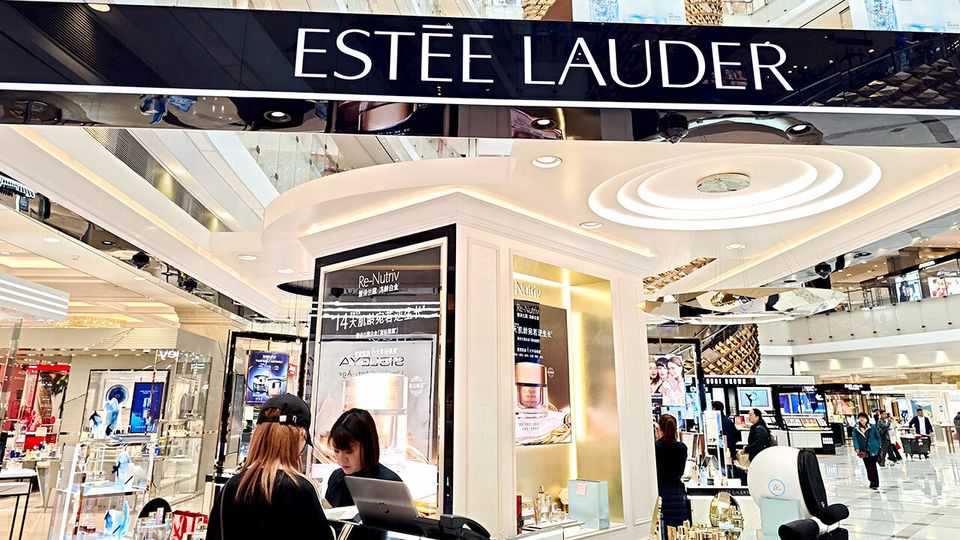
In the world of posh cosmetics, two firms have long dominated. On one side of the Atlantic is France’s L’Oréal, owner of swanky labels such as Lancôme, as well as drugstore stalwarts such as Maybelline. On the other side is America’s Estée Lauder, home to a range of high-end brands typically found in department stores.
Lately, however, Lauder has been looking dishevelled. The American company’s market value, having shot from $16bn in 2010 to $133bn in 2021, has since slid back to $31bn—a seventh of L’Oréal’s figure. Its sales in 2025, at $14.7bn, were down by 17% from their peak four years earlier, even as the beauty business as a whole has boomed. In pursuit of a glow up, Lauder is spending big: it is said to be planning a takeover bid for Puig, a Catalan beauty firm, that will cost it around $6bn. A deal may add some gloss to the business, but will not do much to fix its deeper flaws.
Lauder’s success in the 2010s was thanks largely to China’s booming demand for high-end cosmetics. Its wares became popular in the country’s daigou trade, in which shoppers buy products in bulk abroad (often at duty-free outlets) and resell them at home for a profit.
Flush with cash, the company went on a shopping spree. In 2016 it acquired Too Faced and Becca Cosmetics, two cosmetics brands popular with YouTube beauty influencers. In 2019 it snapped up Dr Jart, a buzzy Korean label.
By then, however, trouble was brewing. In 2019 Chinese authorities, wary of shoppers evading import taxes, began a crackdown on daigou, including at the duty-free port of Hainan, one of Lauder’s most important sales destinations. The post-pandemic slump in consumer sentiment in China compounded the firm’s troubles.
Meanwhile, its earlier wave of acquisitions disappointed. Dr Jart brought in a reported $150m in sales in 2025, down from an estimated $500m in 2019. Becca Cosmetics was shut down in 2021. Part of the problem, says Lindy Firstenberg of AlixPartners, a consultancy, is that Lauder has tended to operate its brands largely independently, treating each as a “special jewel”. That has made it difficult to adapt quickly to changing beauty trends.
Internal drama at Lauder, which is still controlled by its founding family, made matters worse. In 2024 Jane Lauder, an executive at the firm, complained that her cousin William, Lauder’s chairman, was too supportive of Fabrizio Freda, its long-serving boss, and argued that she should take over. Although Mr Freda did eventually step down, the board instead appointed Stéphane de La Faverie, another insider.
Mr de La Faverie has set about giving the beauty giant a makeover. After decades of prioritising department stores, which have struggled in the age of online commerce, it is expanding on e-emporiums such as Amazon and TikTok Shop, as well as Sephora, a popular beauty retailer. It is also shedding as many as 10,000 jobs, more than a sixth of its total.
There are signs the new strategy is starting to work. On May 1st Lauder reported that its revenue rose by 2% year on year in the first quarter. But Mr de la Faverie appears impatient to regain ground on L’Oréal, which recently nabbed the beauty division of Kering, a luxury conglomerate, for €4bn ($4.6bn). A tie-up with Puig would have merits. It sells well in Europe and Latin America; Lauder is strongest in America and Asia. Three-quarters of Lauder’s revenue comes from skin care and make-up; a similar share of Puig’s is from the fast-growing category of perfumes.
Yet the deal may also prove a distraction. Mr de la Faverie has argued that his company needs to be nimbler in responding to shifting consumer tastes. Acquisitions have not helped much in the past. Lauder’s boss must remember that its problems are far from skin deep. ■