Britain’s deer are thriving. It’s a nightmare for the countryside
Oh deer!
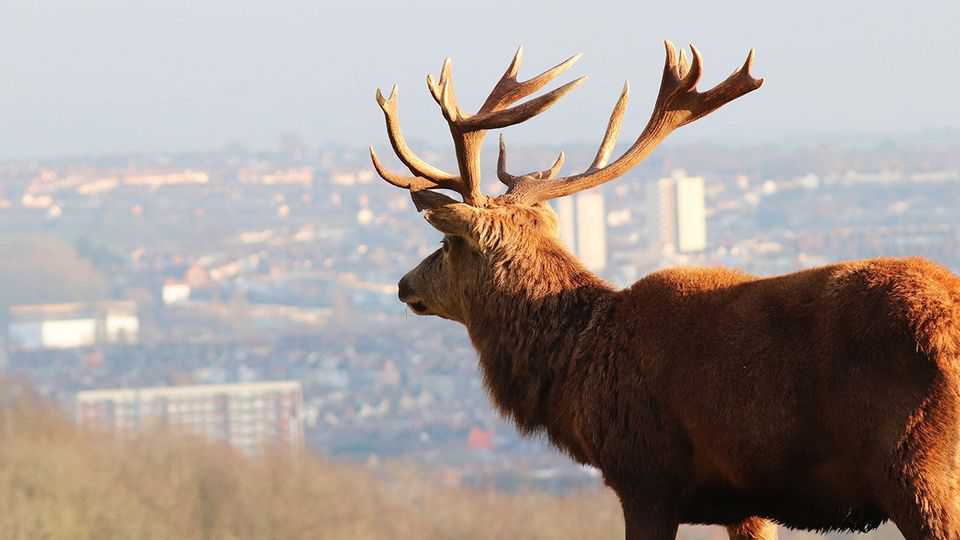
The Hundred Acre Wood, Winnie the Pooh’s fictional home, was inspired by Ashdown Forest in East Sussex. Pooh’s adventures feature many creatures; noticeably missing are any deer. That would not be so were they written today. The forest is now home to 15 deer per square kilometre. Walk its hills and there’s a decent chance you’ll spot a 30-strong herd. If not, the keen-eyed can easily see signs of their presence: from bark-stripped saplings to trees nibbled neatly up to the “browsing line” some 1.6 metres off the ground, the highest point most fallow deer can reach.
Nobody knows how many deer live in Britain. The most common estimate, 2m, is at best an educated guess. But it is clear that their numbers are rising. Birdwatchers have reported both bird and mammal sightings to the British Trust for Ornithology since the 1990s. Over the past 15 years sightings of both fallow and muntjac deer have more than doubled; those of roe are up by 42% (see chart). The government’s recently published policy paper on deer impact says, bluntly: “It’s clear that the management approach to date has failed.”
That is a problem. Deer cause up to 74,000 road accidents a year. They destroy crops and are a nightmare for biodiversity. In 2023 Derriford Hospital, in Plymouth, had to increase security after two bucks were filmed gallivanting down a corridor.
In Britain six species act, as Jochen Langbein, a researcher, puts it, like “lots of different lawnmowers mowing at different heights”. Diminutive muntjac can reach only about 1 metre off the ground. Red and sika can stretch as high as 1.8 metres. But each species also has its own dietary preferences—picking and choosing its favourite flora in a way that can devastate the natural environment. Particularly vulnerable are woodlands, 33% of which showed signs of deer damage in 2021 (in 1971 it was 12%). That can ruin the habitats of wildlife like dormice, nightingales and turtledoves.
The covid-19 pandemic, which kept hunters inside, accelerated a long-standing problem. Milder winters and longer growing seasons have made life easier for British deer over the past 20 years. The trouble has arguably been brewing since the early 1900s, when deer-hunting aristocrats thought it fashionable to populate their estates with more exotic species.
The real culprit is underculling. Around 350,000 deer are culled each year. That probably needs to double. But deer stalking (a form of hunting) is an arduous hobby, and a dying trade. In 2022 the average age of a stalker was 58; now it is 62. A landowner’s permission is needed, which complicates culling. And deer have a knack for figuring out where they are safe.
Besides, Britain lacks the game-eating culture of many of its European neighbours. Without a strong venison market there has been little incentive for deer stalkers to go to the trouble of hunting and preparing more deer than their friends and family can eat (perhaps 15 a year). Deer-hunting estates actually benefit from overpopulation. An extra stag can add £50,000 ($67,000) to the value of a property.
The result of all this is that Britain’s deer population has been doubling roughly every 20 years since at least the 1970s. Compound interest means the country is now at the acute end of a chronic problem.
What can be done? Government plans to boost demand for venison might help. Some favour more humane alternatives to culling, such as tall fences and contraceptive bait. But muntjac are notoriously hard to contain and contraceptive doses are fiendishly tricky. The sheer number of wolves (easily 15,000) needed to manage a deer population lacking any natural predators makes reintroduction, popular with environmentalists, a pipe dream.
The most radical solution would be to reform Britain’s feudal hunting laws, with the government issuing licences and permits. That is hard to imagine. Roger Seddon of the Countryside Alliance says such a change “would be enormously destructive to the culture of the countryside”. ■