Arab rulers have little sympathy for Iran
Their people are not always so hostile
The rulers of the Arab world, its emirs, kings and generals-turned-presidents, have done their best to tell their people what to think about the American-Israeli war with Iran. State media churn out denunciations of unprovoked Iranian aggression. People who express sympathy for Iran have been arrested and in some cases charged with treason. The region’s leaders have dusted off old Arab tropes about perfidious Persians. Qatar and the United Arab Emirates (uae) have detained people for filming Iran’s attacks, or their aftermath. Bahrainis have been stripped of their citizenship for ostensible support for Iran; on May 7th parliament expelled the deputy speaker and two other mps for questioning the king’s power to do so. “They don’t want anyone querying the official narrative,” says a Bahraini former mp.
Yet query it people do. Across many Arab countries a martial anthem praising Iran’s defiance of America has gone viral. “Take me to the streets of Tehran,” it urges. “The banner of honour has been raised by Persian hands.” Distrustful of their state media, some Arab viewers have turned to Al-Mayadeen, a Lebanese satellite-television channel sympathetic to Iran.
Few voice such sentiments openly, but in private some wonder whether the region’s American bases do more to invite Iranian strikes than deter them. “The Gulf states were once American vassals; now we may become Iran’s,” says an academic in the Qatari capital, Doha, who has shared such thoughts with colleagues. “We will pay and call it investment reconstruction, not reparations and extortion.”
Sympathy for Iran among Arabs is driven largely by two things. The first is their anger with Israel, particularly after its slaughter in Gaza and its pounding of Lebanon and Syria. “Ask any Egyptian and they’ll tell you we back whoever backs the Palestinians,” says a young doctor in Cairo, visiting a cinema to watch an Iranian film. “Iran may be repressive, but it has stood up to the Greater and Lesser Satans.” Some relish the discomfort of the Gulf states which have in recent years forged closer ties with Israel. In Bahrain, members of the Muslim Brotherhood, though Sunni, have privately welcomed Iran’s strikes on Israel.
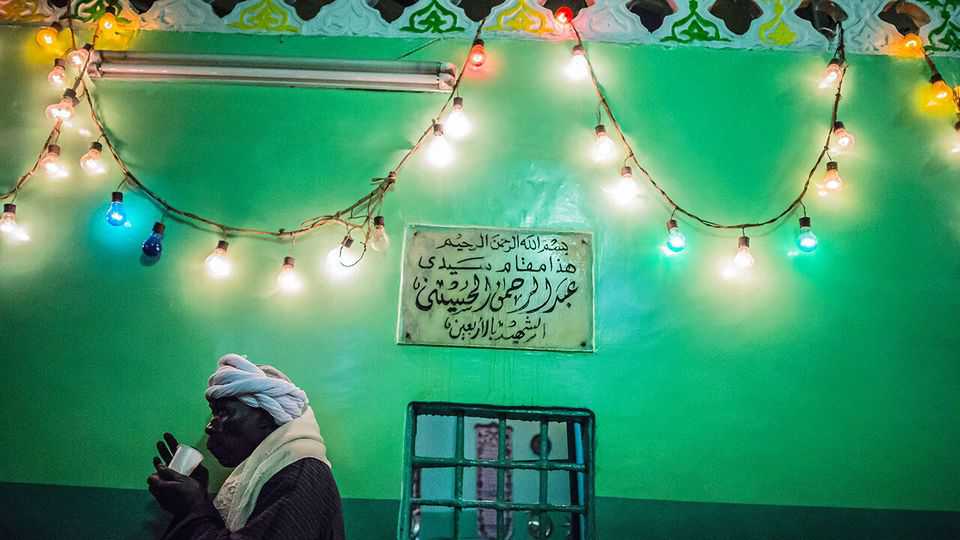
The other impulse is sectarian. Many Shia Muslims who live in the Gulf share religious ties with Iran. In Bahrain’s Shia-majority villages, mourners staged processions for Ali Khamenei, Iran’s late leader, who had a large following in the little kingdom, after Israel assassinated him. Hundreds of thousands of Iranians also live in Dubai. Iranian schools, clubs, a hospital and a mosque have already been closed. The uae’s expulsion of thousands of Shia Pakistanis feeds Shia grievance. In Egypt, a Sunni stronghold, there is even talk of a revival of devotion to the Prophet Muhammad’s family—figures especially venerated by Shias. “Egyptians have a soft spot for Iranians,” says a former presidential adviser. “We share reverence for the Prophet’s household and for shrines such as those of Hussein and Zeinab (the prophet’s grandchildren) in Cairo.”
But those who have borne the brunt of Iran’s support for militias and military ventures—in Iraq, Lebanon and Syria—urge America and Israel to keep bombing. Some Sunnis, particularly in Bahrain, fear a fifth column and bridle at sympathy for attacks on their city-states. Egyptian Salafists, who seek a return to Islam’s original traditions, have stirred sectarian hostility, warning against empowering the rafida—or rejectionists—a rude Sunni word for Shias.
Even so, such sectarian bile appears to resonate less than it once did. More striking is the readiness of many to follow their hearts over their pockets. Many Arab migrant workers have returned home after losing jobs in the Gulf; remittances have plummeted. Fuel prices are rising, even in oil-rich states.
Might this mood have consequences? Some Arabs contrast their own compliant leaders with Iran’s commanders, who, against heavy odds, seem willing to fight. “Iran’s response makes them look capable and resilient,” says one. In comparison, Arab supposed strongmen seem weak. “Our bullies are cowards,” snaps the Egyptian doctor. For now such views are whispered. They may not always be so. ■