A Chinese high-seas misadventure in luxury yachts
A state-owned enterprise may have to walk the plank
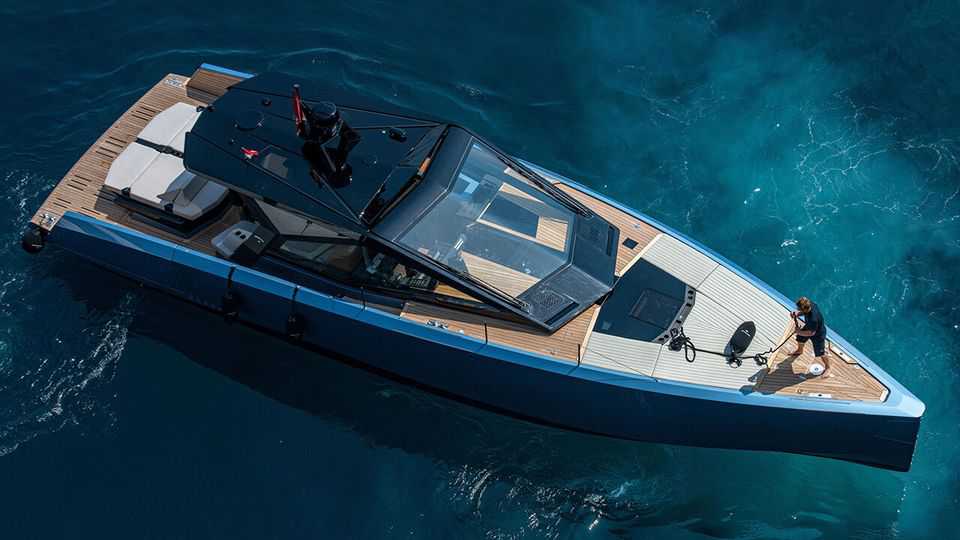
A chinese state-owned firm is fighting a Czech billionaire for control of an Italian luxury yacht-maker. The tale starts in 2012 when Weichai, a diesel-engine maker owned by a provincial government, bought out Ferretti, a sinking boat-builder. Since then, the firm has been listed in both Milan and Hong Kong. kkcg, a Czech investment group founded by Karel Komarek, a billionaire, has become the second-largest shareholder with around 23%. Weichai holds nearly 40%. But Mr Komarek and others think Chinese owners are sailing it in the wrong direction.
One fear is that Weichai may try to transfer the Italian firm’s technology to China, for use in its maritime industry. This would be a problem, since Ferretti wants to expand into the lucrative maritime-security sector. The company cannot hope to work with Western military technology if a Chinese state firm has access to it. This is one argument being used by KKCG to sway those holding the remaining 40% of shares. Shareholders will soon vote for new board members and company leadership, with results out on May 14th.
Mr Komarek might get the upper hand over the Chinese state. Ferretti’s Weichai-appointed boss, Alberto Galassi, has surprisingly taken the side of kkcg. “Times have completely changed,” he said recently. This is true. The Weichai buy-out in 2012 came at the start of a wave of global Chinese mergers and acquisitions that culminated in 2016 with more than $200bn-worth of deals. But the Communist Party and many Western governments have since grown suspicious of vast amounts of capital leaving China.
In Italy, Weichai faces a “golden power” law. It allows the state to intervene in deals involving strategic assets if a foreign firm’s shareholding exceeds a certain threshold. In Weichai’s case that is 40.4%. This is stopping Weichai from upping its stake and voting rights. Meanwhile Giorgia Meloni’s government is pushing another Chinese state firm, Sinochem, to sell a large stake in Pirelli, a tyre-maker.
But leaders in Beijing may also want to see Weichai’s boating business scuppered. In April, sasac, the body that manages state-run companies, set up an overseas bureau to keep a closer eye on what firms are doing abroad. Part of that, a banker says, is cleaning up meddlesome minority stakes and messy acquisitions that have little connection with companies’ core businesses. The world looks less fondly on Chinese state-owned amalgamations these days.■