The rise of the Temu Range Rover
Class, China and the cozzie livs in a car
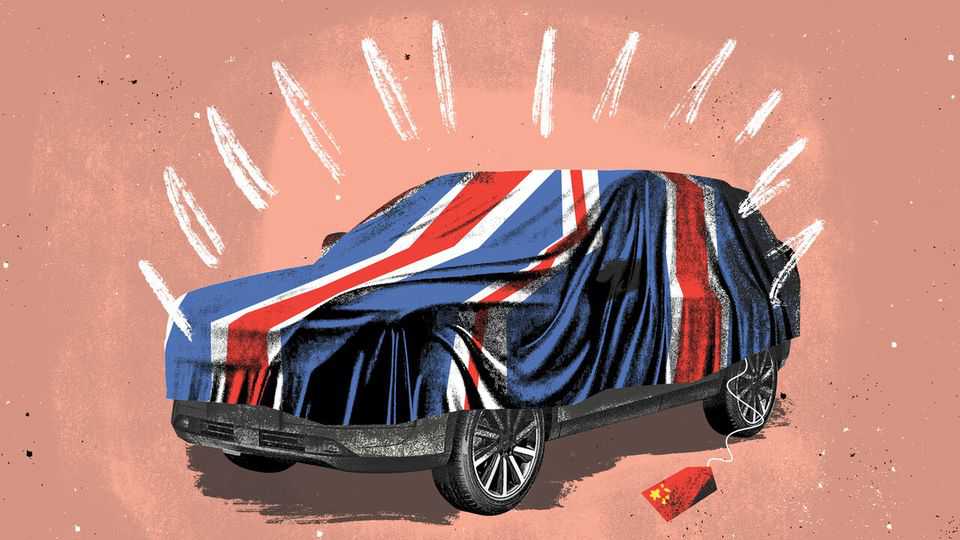
When the Jaecoo 7, a cut-price SUV from Chery International, a Chinese carmaker, was first launched in Britain the reviews were unkind. Experts criticised the “slightly dull handling”; it had “no ‘want one’ factor”. Drivers on TikTok were easier to please. “Absolutely fat sunroof”, said one well-turned-out young woman. “It’s got a shit-ton of space.” Best of all, it bore a striking resemblance to Range Rover, the plush British four-by-fours relied on by rich parents to ferry children to fancy schools. The main difference was the price. At £29,000 ($39,000), it was about a third less than the cheapest Range Rover. No wonder it was dubbed the Temu Range Rover, after a Chinese e-commerce platform that ships impossibly cheap goods to Britain.
In both their cars and their politics, the people of Britain have had enough of experts. In March the Jaecoo 7 became Britain’s bestselling car, with 10,064 registrations in the month. The Temu Range Rover is taking over. Judge a nation by what it drives. To understand Britain, take a Jaecoo 7 for a spin.
How can a marque that did not exist barely 18 months ago take over the likes of Ford or Kia, gobbling brand equity built over decades in weeks? How could it not? While French people want French cars and Italians want Italian ones, Britons in general do not care, points out Matthias Schmidt, an industry analyst. Britons happily drive French, German or Korean models. What’s another nationality in the mix? At the start of the decade Chinese cars accounted for 1% of all new sales in the country. Now they account for 15%, which is the highest figure among the big European markets. Jaecoos, which have a petrol or hybrid engine, chug along while all-electric byds hum through England.
Cheap financing is key. Chinese companies gagging for market share, such as Chery, offer 0% annual percentage rate (APR) deals with minimal deposits. In the 2010s, when the Bank of England followed its zero-interest-rate policy (known by the satisfying acronym zirp), such deals were common. The effects were most visible on British driveways. Once-aspirational cars—such as bmws and Mercedes—became affordable. “Mondeo Man”, the proverbial voter of the 1990s named after the staid Ford saloon, has driven an Audi for years. Now, in the 2020s, such deals are rarer, outside Chery’s efforts to hoover up more of the market. Within its double-glazed windows, the Jaecoo 7 is a world that is forever zirp.
After all, there is a cost-of-living crisis on. For most, it is a cost-of-living-well crisis. It is small luxuries rather than necessities that are being squeezed. Slip into a Jaecoo 7 and this flips into reverse. It has the gubbins of a more expensive car. The front seats are heated, the handles pop out disconcertingly and the finishes are appropriately squidgy. Butter might be £2 a block, but something that looks like a Range Rover is half-price. Navigating the politics of the “cost of living” is treacherous. In the 19th century radicals promised cheap food and high wages. In the 21st century there is little politicians can do immediately to bring about either. And so a mock Range Rover at a heavy discount will have to do. If the Labour government has a hope, it comes in petrol and hybrid forms and is available from £250 a month at 0% apr.
Little surprise, then, that most politicians quake at the idea of tariffs on Chinese cars. Unlike the eu and America, Britain has ducked tariffs on cheap Chinese cars, dodging a painful fight with Beijing (to the chagrin of British carmakers). Geopolitics and consumer preference align. Britons do not want artificially expensive cars in the 21st century for the same reason they did not want artificially expensive food in the 19th century, before the country repealed the corn laws. In Britain price has long trumped patriotism. Reform uk is the only party threatening tariffs against cheap Chinese cars (ironically taking on a policy that their French and German peers would cheer). In Britain any politician who stands between Britons and a cheap car can expect to be run over.
Range Rover, a jewel in the British manufacturing crown, may bet that the well-to-do will turn their nose up at the knock-off edition. Perhaps they are right. Someone can pick up the Jaecoo 7 from the government’s generous “motability scheme”, which provides almost 1m cars to those with some form of disability. The government has cracked down on Audis and BMWs on the scheme, after a voter backlash. Cars that merely look fancy, such as the Jaecoo 7, are still available.
But what if skimping is its own status symbol? Even the richest people in the country have it tough, in their heads. It is impossible to open the Daily Telegraph without a well-to-do couple complaining that after the mortgage, the holidays, the school fees and the savings there is not much left at the end of the month. When it comes to the new car, would someone always spend a year’s worth of school fees extra on the real thing? Britain is a place where people think they become rich by saving money rather than making it. Temu is among the most downloaded apps in Britain for a reason.
At Jaecoo, they cannot decide whether the “Temu Range Rover” is a point of pride or a mark of shame. They should embrace it. For companies trying to capture the British market, the dream is a classless car. Something like a Mini, which ferried factory workers to work and Mick Jagger to Carnaby Street, for modern Britain. The Jaecoo 7 comes close. For every Stanley-flask-toting mum on TikTok, there is a Chris Robshaw, a former England rugby captain, the face of the brand (who was educated at Millfield, a school that charges £60,000, or two Jaecoos, per year). Instead, the Jaecoo 7 has slipped into a lucrative English niche: looked down on by some, while enjoyed by many more. It is Ant and Dec with a sunroof. A Barratt new-build home on wheels. The Jaecoo 7 might be made in China, but it is as British as can be. ■