The City of London is becoming a seven-day-a-week destination
Weekend footfall in the Square Mile has risen sharply
DESCENDING INTO the crypt of St Mary-le-Bow church is akin to stepping through a thousand years of history. The church was founded by the Normans in 1080, rebuilt by Christopher Wren after the Great Fire of London in 1666, and again after the Luftwaffe bombed it in 1941. Anyone born within the sound of its famous bells is deemed “a true Londoner”. In those cellars today, though, you will find something reflecting a modern trend: cases of fine wine served in the church’s upmarket bar.
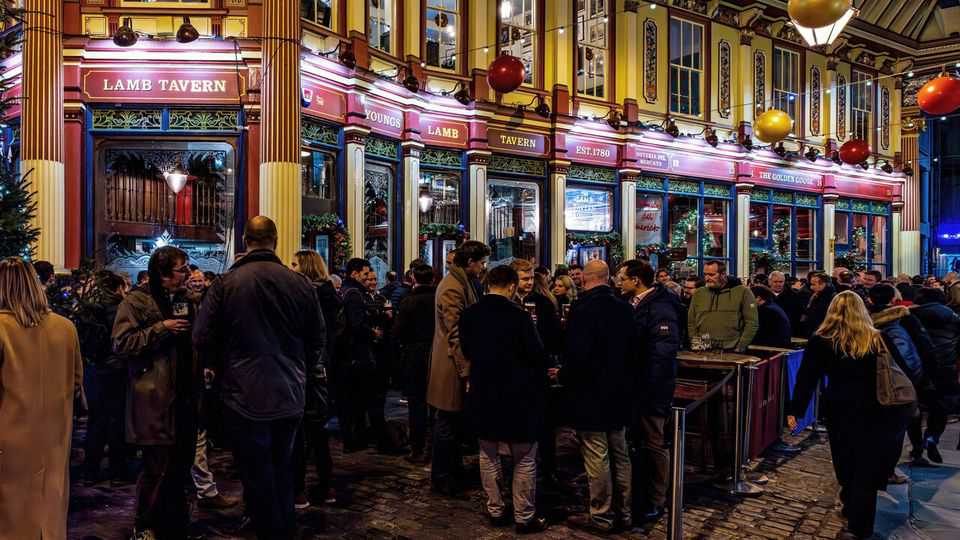
The City of London—the Square Mile of the financial district—is changing. A decade or two ago it was strictly a weekday destination: pubs and restaurants, frequented mainly by financiers, would typically shut early on weekdays and be closed altogether at weekends. No longer. It now bustles with nightlife all week, with 222 restaurants, 193 pubs and bars, 35 hotels and nine nightclubs. Weekend footfall rose by 8% last year.
That is not by accident. Brexit and covid-19 forced a strategy rethink by the City of London Corporation, which runs the Square Mile. Chris Hayward, its policy chair, devised a plan that “reimagined, redesigned and revisualised” the City as a “seven-day-a-week destination”. Footfall on Saturday nights has risen by 20% in the first four months of this year compared with two years ago.
Tourism plays a part, too. The Ned Hotel, which occupies the former headquarters of Midland Bank, has 250 bedrooms, ten restaurants and music every night. Its well-heeled patrons spill out to other spots in the City. Nearby a Premier Inn, in a recently converted police station, offers cheaper rooms, and a full-English breakfast for £8 ($11). According to CoStar, a research firm, hotel-room revenues in the Square Mile rose by 47% between 2019 and 2025, faster than other areas of London.
Good transport links also help. Trains that shuttle City workers from all corners of Greater London in the week offer easy access at weekends. Our analysis finds that Saturday travel into the City on the Underground has risen by 22% since June 2023, whereas it is flatlining in the congested West End (see chart).
At the Steel Yard, a cavernous club below Cannon Street Station, drum-and-bass pounds until the small hours. The modern sound of the City feels a world away from Bow Bells. ■