The Caribbean island that calls Colombia a coloniser
Locals on San Andrés blame the mainland for crime and corruption
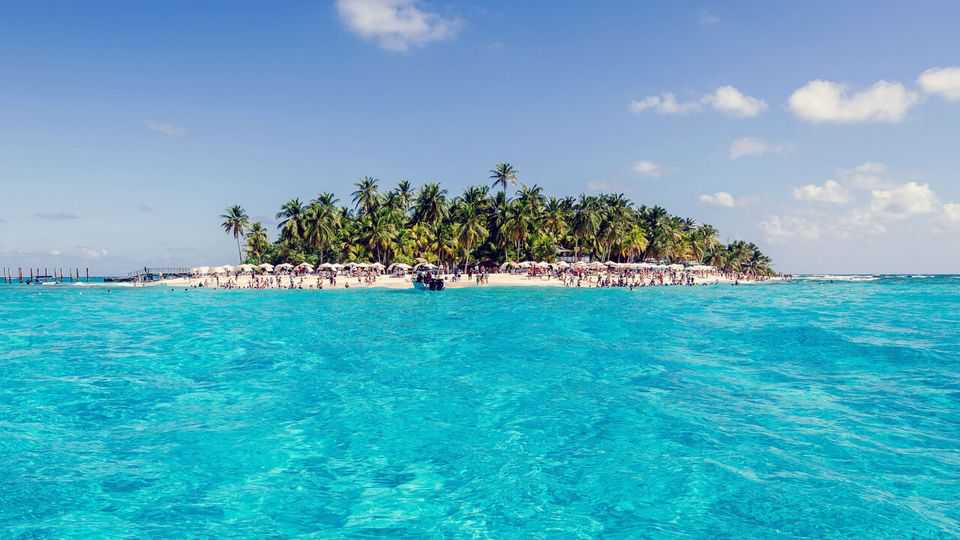
The island of San Andrés is one of Colombia’s most popular tourist destinations, a distant 750km north of the mainland. In 2025 more than a million people, mostly Colombians, arrived to swim in the “sea of seven colours” and feast on seafood. Few are aware of the island’s mounting problems, or the discontent of its residents. A growing band of islanders even want independence from Colombia.
Rubbish piles up out of sight from white-sand beaches. An overcrowded prison dumps sewage into the sea. Former governors have been investigated for corruption. Unemployment is high, at 13%, so locals turn to drug-smuggling to make ends meet. Drug gangs have brought violence.
Afro-Caribbean islanders, known as Raizals, blame Colombians from the mainland for destroying the environment, appropriating land and erasing Raizal identity. “I don’t see no future for our people,” surmises one Raizal leader gloomily. He would rather belong to England, the “mother country”, than to Colombia (English Puritans were the first to settle on the archipelago in the 17th century). An official describes “permanent conflict” between the Colombian navy and Raizal fishermen, who say their fish stocks are being plundered. “We live subjugated,” says Sol Molano, who advocates for Raizal culture. “We need to be free from the coloniser.”
In 1991 Colombia’s constitution recognised the Raizals’ ethnic rights. Yet they complain of scant improvement. “We don’t need a paper to say you have autonomy to dance or cook,” says Ms Molano. “We need autonomy to elect our presidents.” Documents leaked in 2012 revealed that Colombian intelligence had been monitoring Raizal leaders. The report suggested keeping Raizal islanders as the minority.
Such information fuels radical ideas. One is that San Andrés might detach itself from Colombia and make a “free association” with another Caribbean nation (Nicaragua and Panama are both closer than Colombia). That seems unlikely. Most of the island’s population is not Raizal and would not support secession.
Colombia’s left-wing president, Gustavo Petro, wants to “decolonise” his own country. This makes the Raizals’ demands awkward. In 2023 he appointed five Raizal islanders as Colombia’s ambassadors to Caribbean nations. That was not enough for Ms Molano. ■