The battle between Scotland’s two national languages
The one that the British once banned is winning
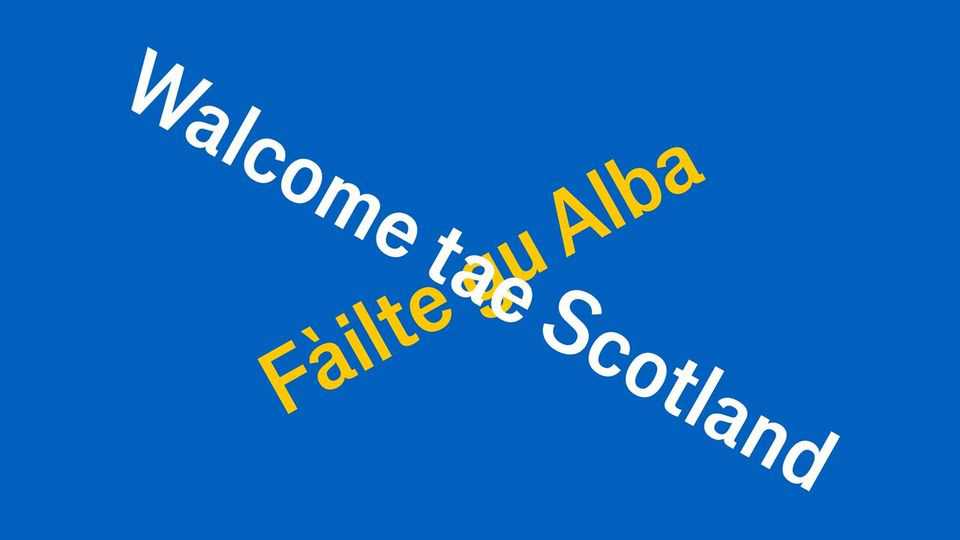
At a museum outside Inverness proud Scots recently gathered to mark what they see as the destruction of the Scottish way of life. They came to remember the Battle of Culloden of 1746, when the British army crushed the Jacobite rising. The ancient language repressed after that defeat—Gaelic—was everywhere at this event: heard in the romantic poems, seen on the signage. Strangely absent was Scotland’s other national language: Scots.
Scottish Gaelic and Scots are in competition to be the country’s native tongue. Gaelic, rooted in Old Irish, is alien to English ears. It was spoken by people in mountainous western Scotland but in effect banned after Culloden. Scots, descended from Old English, was brought to the Lowlands by Anglo-Saxons who could not penetrate the Highlands. It shares much vocabulary and grammar with English; it is unrelated to Gaelic. Instead of “I don’t know,” a Scots speaker might say, “Ah dinnae ken.” Sceptics say it is a dialect; others insist it is a language in its own right.
Forty years ago some feared Gaelic faced extinction. Yet thanks to government funding it is now spoken by nearly 70,000 people in Scotland—a rise of over 20% since 2011. Scots, even though more people speak it (1.5m at the last census), is quietly declining. Between 2011 and 2022 the number of speakers fell by almost 30,000. Last year just ten pupils in their penultimate year of secondary education studied it, compared with 70 who took Gaelic.
Graham Dunbar, whose ancestors fought against the British at Culloden, said his grandfather spoke Gaelic, but it then skipped two generations. As he tapped his feet to bagpipes at the Culloden bash, the 79-year-old leaned over to say his closest relative now fluent in the language is his 20-something son.
Because Scots resembles English, it struggles to inspire the same patriotic fervour as Gaelic. The Scottish National Party allocated £950,000 ($1.3m) to Scots initiatives in this year’s budget—just 3% of the £31m for Gaelic, uncontaminated by Englishness. Some view Scots as the language of accommodation, despite being the lingo of some of Scotland’s greatest writers, from Robert Burns to Irvine Welsh.
The impulse to emphasise what distinguishes Scotland from its southern neighbour, rather than what they have in common, runs deep. That’s an awfy shame. ■