Is Samia Suluhu Hassan Africa’s most disappointing president?
A sham election, a massacre whitewashed
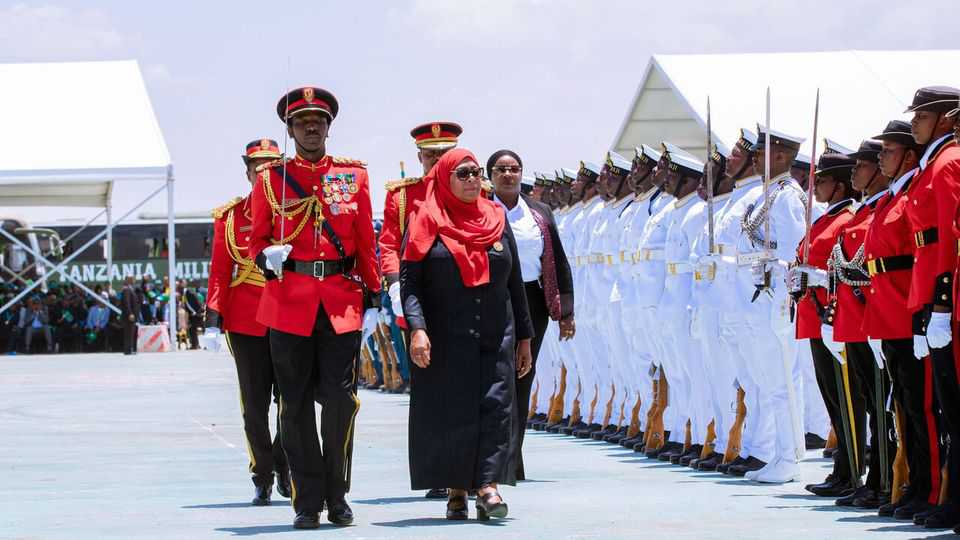
Tanzania has had dramatic ups and downs. In the 1970s the government of this east African country forced farmers into collective villages at gunpoint, causing horrific food shortages. In the 1980s it abandoned utopian socialism and the economy took off. After the cold war, it scrapped its one-party system and let others contest elections (though the ruling Party of the Revolution, Chama Cha Mapinduzi, has never lost). Political stability and better economic policies lifted living standards: since 1995 income per person has quintupled.
But now the repressive regime of President Samia Suluhu Hassan threatens Tanzania’s achievements and its future. The latest whitewashing of a post-election massacre of protesters and bystanders suggests that her government does not think the country’s 70m people deserve a say in how they are ruled.
When Mrs Samia first came to power in 2021, she gave many signs of being a reformer. Her predecessor, John Magufuli, had started a lurch back towards authoritarianism, erratically bullying dissidents and foreign investors. When he died, reportedly of covid-19, a virus whose presence in Tanzania he denied, he was succeeded by his vice-president, Mrs Samia.
The first woman to hold the top job, she initially inspired widespread optimism. She rescinded Magufuli’s bans on opposition rallies and independent media outlets, began improving ties with investors and promised to accelerate a constitutional overhaul. Tanzania’s youthful population, though fed up with the ever-ruling party, hoped Mrs Samia would usher in a more open society.
Five years on, she has dashed such hopes. After a brief flicker of tolerance, she has energetically persecuted opposition leaders and critical journalists. Political and economic power is concentrated in a small clique of family members. In October she claimed to have won 98% of the vote in a general election. That ludicrous result came after the main opposition party had been barred and its popular leader, Tundu Lissu, had been jailed on trumped-up treason charges. When Tanzanians took to the streets in protest, security forces gunned them down. Hundreds—some say thousands—were killed.
Mrs Samia appointed a commission to investigate. On April 23rd it acknowledged that 518 people died in the clashes. But it shamelessly distorted what happened, blaming the carnage on “trained agitators”, allegedly helped and financed by unspecified “outside forces”. It went on to praise the police for their supposed restraint. The full findings remain secret, making it impossible for observers to take them seriously. In a speech welcoming the report, Mrs Samia chided her critics, saying that she would have hoped “to be comforted rather than pointed at” after the “sad and hurtful” events.
A pall of fear now hangs over Tanzania. Ordinary people are afraid to discuss the massacre. Opposition politicians are behind bars. The media remain muzzled. Outsiders are unlikely to help. Tanzania’s main economic partner is China, which does not care about democracy. Under President Donald Trump, America is less concerned with lecturing Mrs Samia about human rights than with exploiting her political weakness to obtain more favourable terms for mining and energy deals. The European Union froze $156m in aid after the election, which may make a dent in the government’s budget but will hardly be enough to persuade it to change its approach.
Responsibility for the fake election and the bloodshed that followed it rests ultimately with Mrs Samia. The inquiry fooled no one. Privately, even members of the ruling party describe its findings as ridiculous. Factions within the party may yet judge that Mrs Samia is so tainted and unpopular that it must either jettison her or face worse unrest. However, the barriers to impeachment are steep.
Further instability is possible. That will deter foreign investors and the tourists whose beach-and-safari jaunts provide 17% of GDP. Mrs Samia should remember her promises of five years ago. She should free Mr Lissu, publish her commission’s report, allow independent investigations of the election and mend fences with her unhappy citizens. It is not too late for Tanzania to turn off the ruinous road it is racing down. ■