How to capitalise on London’s thriving financial industry
The City has bounced back despite fears over Brexit
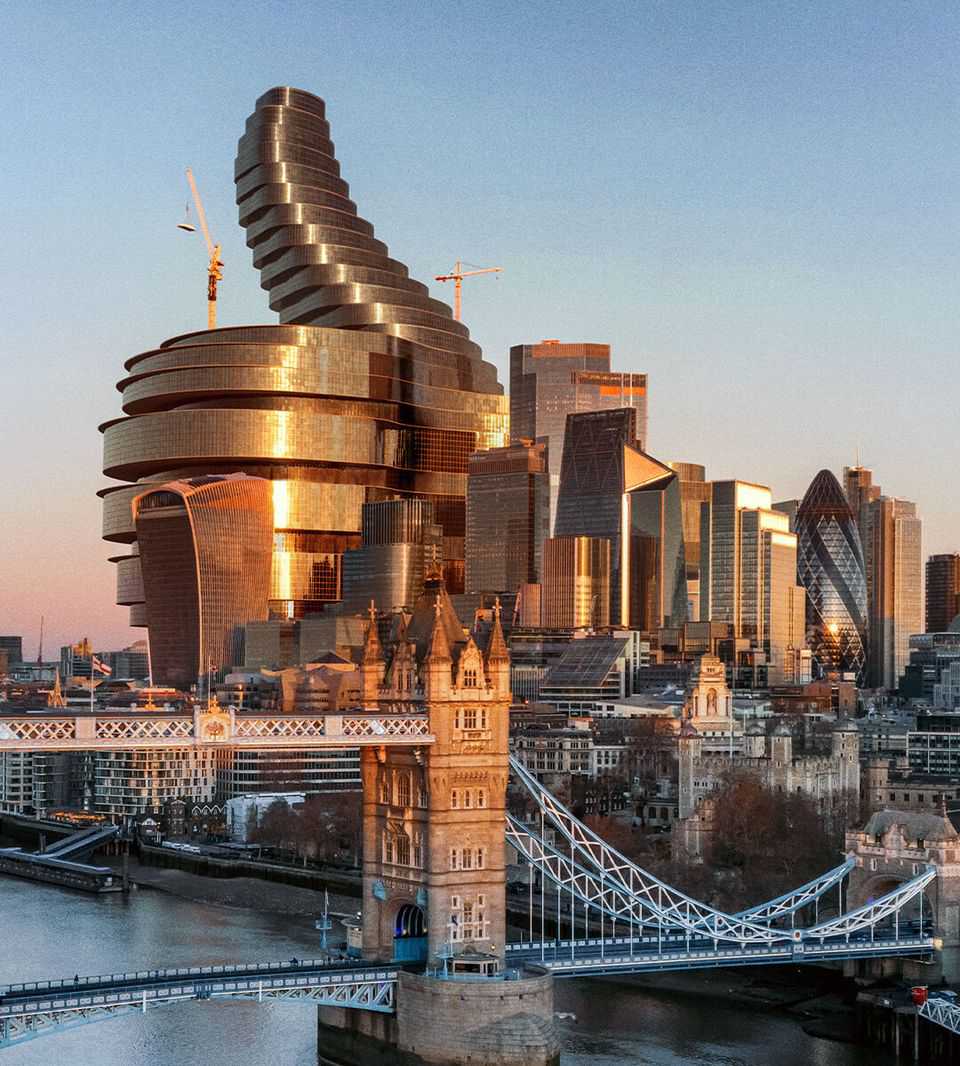
BRITAIN’s ECONOMY does not inspire much optimism these days. Inflation is high and rising; so are debts. Growth is not. The Iran war is making everything worse. Sir Keir Starmer’s government is paralysed despite its huge majority, adding to the gloom.
This makes it all the more remarkable that, outside America, the City of London still shines as the financial capital of the world. As we report this week, if you want to sell a billion euros for zloty, or make a complicated bet on Japanese interest rates, there is a good chance you will call a trading desk in London. The same is true if you are insuring an oil tanker or a footballer’s metatarsals. Foreign banks hold more assets there than anywhere else on Earth. London once again rivals New York in indicators of global financial centres’ competitiveness, and it remains top in seven of 12 areas of international finance measured by one specialised think-tank.
Now London has a chance to grow further, capitalising on its attractive value and newfound vibe. JPMorgan Chase, America’s biggest bank, is designing new, bigger European headquarters in Canary Wharf; Citigroup, a smaller rival, is spending $1.5bn to refurbish its tower there. Jane Street and Citadel, two of the world’s whizziest trading firms, are snapping up new office space in the City. Others are nabbing whole companies. Apollo, an American asset manager, and Brookfield, a Canadian one, have both bought British insurers. Schroders, one of the last survivors of the City’s old-school-tie era, is being gobbled up by another American firm.
This is quite the mood shift, and comes despite the blows of the past decade. Stockmarket listings have been as rare as rocking-horse dung. Worse, voters sundered the City from the European Union, its biggest export market. Scary predictions about the share of financial-services jobs that could be lost because of Brexit were bandied about (up to 232,000, one said). Everyone seemed to agree that other global financial hubs were overtaking tired old London.
In fact, the City has suffered startlingly little damage. In 2017, the year after Britons voted to leave, 1.1m of them worked in finance; today that number is the same. Even better, more now work in the Square Mile itself, where the high-paying jobs tend to be. Financial services contribute 20% more per year, in real terms, to the economy than they did then: £224bn ($300bn), or 8% of GDP. Britain’s net exports of such services come to £93bn a year, more than any other country, and useful for one with a current-account deficit.
That is partly due to London’s long-standing strengths as a financial centre, and partly to the paucity of competition. The City’s history at the hub of a free-trading empire has equipped it with vast, intricate networks of specialists and financial plumbing that would be hard to replicate elsewhere. Its geography, midway between Asia and America, gives it a time zone that is handy for brokering trades across continents. Just as important, Europe has no other financial centre that can hold a candle to London. Amsterdam, Frankfurt, Milan and Paris all scrapped for bits of its business after the Brexit vote, but hardly any jobs actually ended up needing to move to satisfy EU regulators. JPMorgan is said to be now shifting some of those that did go to Paris back to London again.
Less expected is how much City bigwigs praise good decisions by an otherwise hapless Labour government. Rather than junking sensible reforms begun by their Tory predecessors, Treasury ministers have forged on with them. So Britain’s stockmarket-listing regime has been simplified and pension funds are being nudged, rightly, to invest more in risky assets (though outright mandates to do so would overstep the mark). A much-mooted levy on bank profits was dropped from last year’s budget, encouraging bosses to put spades in the ground for their new buildings. Regulators have cheerfully waved through the spate of cross-border acquisitions, drawing a stark contrast to their obstructive counterparts in the EU.
But the government has more to do. Investors the world over are more interested in Europe, and more worried about overexposure to America, than they have been in years. It doesn’t hurt that hiring junior staff in London is a lot cheaper than in New York: in relative terms London now looks like a bargain. Britain’s government should take advantage of this and make it easier for rich financiers to move there, without facing taxes that prompt a complete overhaul of their personal investments. Having made a fuss about abolishing the “non-dom” tax regime, which aimed to do approximately that, Labour politicians would need a new name for a more attractive regime. “Growth visa” has a ring to it.
The government should also press regulators to help the City seize a historic opportunity. Britain, along with the rest of Europe, urgently needs to make huge investments in defence, upgrading battered infrastructure and the data centres required in order to compete in artificial intelligence. Public debts are already so high that much of the capital for this will have to come from private sources. Loosening securitisation rules—which govern how easy it is for insurers and pension funds to provide this capital—would help ensure that it is City bankers, lawyers and myriad others who co-ordinate its deployment.
This investment is crucial however it is achieved. Eurocrats may be tempted to raise barriers and conduct it through less effective financial centres within the EU, but this would ultimately be self-defeating. They have a metropolis of money on their doorstep and should make the most of it. So should Britain’s government, while filling its own coffers along the way.
A gloomy Britain spends a lot of energy debating how to redistribute the output of the economy rather than grow it. London’s bankers are widely resented and some politicians yearn to tax them more or limit their earnings. Yet the City is one of the country’s singular strengths and brings benefits far beyond the capital. Instead of contemplating ways to punish its success, politicians should celebrate it, and help expand it. ■