Hizbullah’s air of invincibility is gone
But it still has the power to threaten Lebanon’s leaders
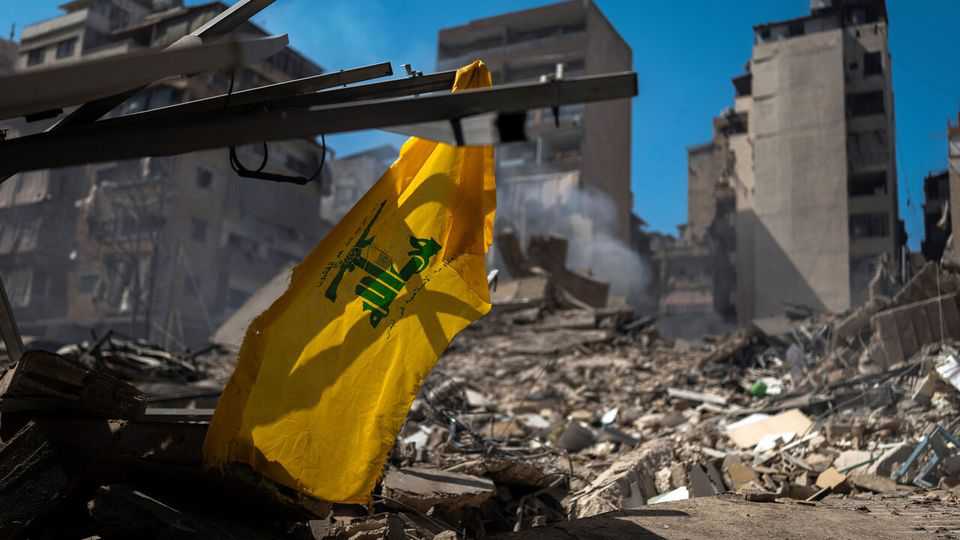
Hizbullah did not lose the war. That, at least, is the position of the leaders of the Iran-backed militia in Lebanon. True, the group still exists. It has mps in Beirut and fighters in the south. But survival is not the same as strength. Many of its leaders are dead. The latest attacks by Israel have weakened it further. And any claim to invincibility is gone.
Hussein Haj Hassan, a combative Hizbullah mp, insists that every major sect and political bloc must agree to any peace deal with Israel. Lebanon is a “consensual democracy”, he argues; decisions of such magnitude cannot rest on a simple majority. Yet when reminded that Hizbullah did not secure anyone’s consent before dragging Lebanon into yet another war, Mr Hassan does not pause. “That was Hizbullah’s decision,” he says.
Hizbullah has long claimed to be both a political party and an armed “resistance” unchecked by the state. For years the ambiguity worked in its favour. But Lebanon’s leaders are increasingly willing to stand up to Hizbullah. The president, Joseph Aoun, and the prime minister, Nawaf Salam, are pursuing direct talks with Israel. Hizbullah does not approve but it cannot stop them. And if Iran’s proxies are part of any deal with America, Hizbullah’s principal patron could bargain away its ability to rearm.
Mr Hassan denies that any truce with Israel truly exists. Israel, he says, continues to raid and kill under an American framework that grants it rights of self-defence denied to Lebanon. Since the ceasefire, Israeli strikes have killed dozens. Hundreds of thousands are still unable to return to their homes. Hizbullah continues to fire missiles at Israeli troops and at the border.
Mr Hassan does not, in theory, reject the possibility of Hizbullah disarming. But his conditions—the “liberation of Lebanon”, the release of Hizbullah prisoners, the completion of reconstruction and the agreement of a national defence strategy—are such that in practice it seems unlikely.
The group still has the power to intimidate. It has a history of political assassinations. Hardliners have publicly promised to settle scores. Some have likened Mr Aoun to Anwar Sadat, the Egyptian president assassinated four years after his visit to Jerusalem in 1977. Mr Hassan says such comments are “a political statement, not a threat”. His distinction may offer Lebanon’s leaders little comfort. ■