Why Japan is loosening restrictions on exports of lethal arms
Takaichi Sanae, the hawkish new prime minister, hopes to spur a defence industrial renaissance
 April 23rd 2026
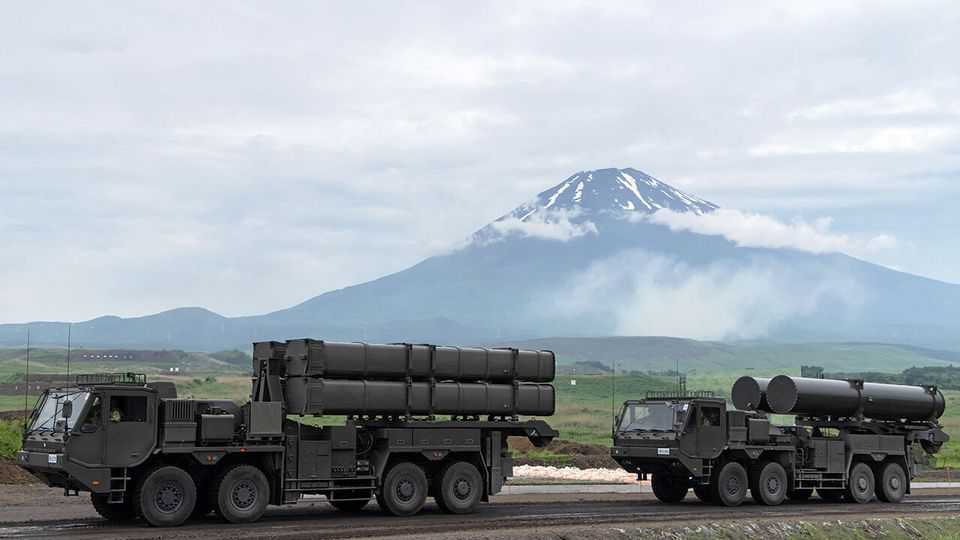
JAPAN’S PACIFIST shibboleths are falling one by one. A decades-long taboo against spending more than 1% of GDP on defence was abandoned in 2022; this year spending will reach nearly 2%. After long refraining from possessing weapons that could hit enemy territory, Japan deployed its first long-range “counter-strike” missiles last month. On April 21st Takaichi Sanae, Japan’s hawkish new prime minister, announced another historic change, loosening long-standing restrictions on arms exports and significantly expanding the scope to sell lethal equipment overseas.
The move is vital. Facing growing pressure from an ever more assertive China and less support from an ever more unreliable America, Japan wants to reduce its dependence on foreign supplies and to play a bigger role in providing regional security. Officials hope opening up export opportunities will push the country’s defence contractors to boost production, expand capacity and bring down costs. Yet changing the rules will only make all this possible; industry still needs to rise to the challenge.
For decades after the second world war, Japan strictly limited its sales of weapons overseas. Universities and researchers tended to see collaboration on defence technology as taboo. Japan’s major defence contractors evolved as relatively small wings of larger industrial and technology conglomerates. Though they developed advanced capabilities, they were constrained to serving a single customer, and a frugal one at that: Japan’s own defence ministry. As a result, the industry is in bad shape, one bigwig from the ruling Liberal Democratic Party (LDP) admits.
Japan relies heavily on kit from America. Yet with conflicts raging in Ukraine and the Middle East, defence supply chains have become strained. American officials admit they cannot produce enough for Japan’s needs. An audit published in January found 118 orders of military equipment worth some $7bn remained unfilled five or more years after the contracts were signed. The Iran war has led to delays in promised deliveries of Tomahawk missiles to Japan.
The shackles began to come off Japan’s defence industry a decade ago, under the then prime minister, Abe Shinzo. The latest revisions scrap rules that limited exports to five non-lethal categories: rescue, transport, surveillance, warning and mine-sweeping. Lethal arms will now be allowed to be sold to countries that have defence-technology agreements with Japan (17 countries have them at present, including America, Australia, India and several South-East Asian states). Exports to countries involved in conflict will still be barred, but the government will allow exceptions if it is deemed necessary for Japan’s own security interests. America, as well as neighbours who share concerns about China, such as the Philippines, praised the move; a Chinese spokesman, equally predictably, denounced the “reckless actions of a new Japanese militarism”.
The revival of Japan’s defence industry hinges on several issues. First is whether Japanese contractors can cope with competition abroad, from established giants like America, but also upstarts in the region, such as South Korea. Japanese firms will probably focus on niches where they have competitive advantages, such as submarines and ships. This month Australia struck a $6.5bn deal to procure new Mogami-class frigates from Japan’s Mitsubishi Heavy Industries.
Another question concerns the capacity to ramp up production at home, especially given severe labour shortages. Finally, the industry will need to adapt to new domains of warfare. That will mean expanding the ecosystem beyond traditional contractors to include more startups focused on areas like drones and AI.■