Honking is harming India’s health—and its economy
But nobody seems to care
 April 23rd 2026
There is nothing palatial about Diamond Horn Palace. The cluttered shop in Chandni Chowk, an old, crowded part of Delhi, sells horns and other accessories. But its trade is booming. “People buy expensive bikes and cars, but after two or three months the horn no longer matches the presence of the vehicle,” says Mustafa Ahmed, its owner. “I restore them for very cheap. Some say I have magic in my hands.”
Mr Ahmed’s success should sound an alarm for India. Step onto any street and it is easy to hear why. According to UN data compiled in 2022, Indian cities are among the loudest in the world. Noise levels on Delhi’s streets average around 75dB—four times louder than the threshold recommended by the UN’s World Health Organisation. Much of the racket comes from road traffic, above all from the incessant blare of horns.
Noise is no mere irritant. More than 60m Indians suffer hearing loss, which researchers attribute partly to noise pollution. But the health effects run deeper: a review in 2020 concluded that louder road-traffic noise raises the risk of heart disease. No one has tallied what all this costs India, but estimates from Europe suggest noise could shave around 0.6% off GDP each year.
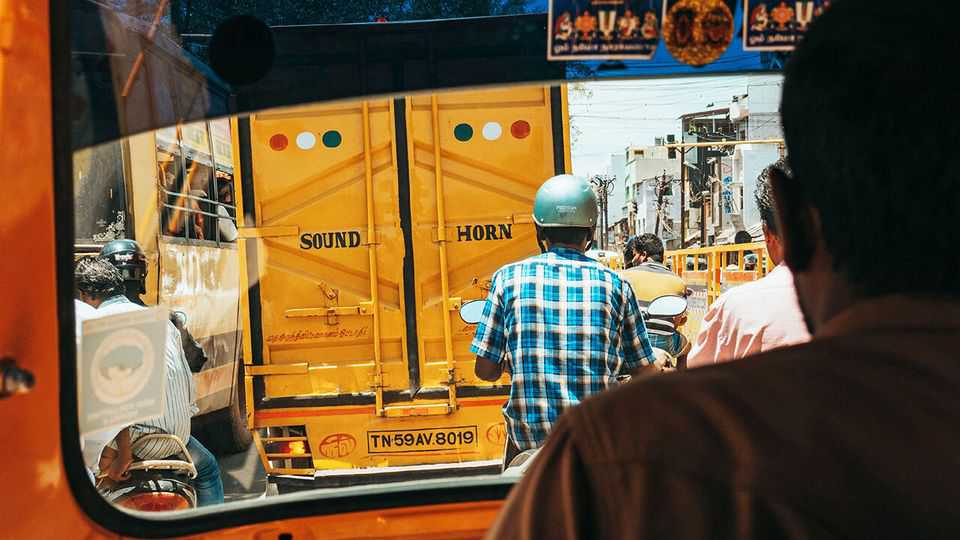
Poor city planning has made Indian traffic chaotic as trucks, rickshaws, motorcycles and pedestrians jostle for space. In this free-for-all, the horn has morphed into an all-purpose communication device: a way to signal a turn, nudge a dawdler, or simply announce one’s presence. Mercedes-Benz, a German carmaker, has adapted its horns in India to withstand heavier use. Data from thousands of scooters found that riders in Kolkata, an eastern metropolis, honk roughly 131 times an hour.
Doctors and public-health officials should flag the dangers of noise as loudly as they do those of air pollution. In China sound barriers, noise-reducing road surfaces, electric vehicles and a state-led push for lower volumes have quietened its cities. In India, change will come only when the public demands it. For now, that call is being drowned out by all the noise.■